A 10-gallon tank is the sweet spot. It's big enough to support a real planted ecosystem with multiple species, small enough to fit anywhere, and forgiving enough that beginners can succeed without specialty equipment. The trick is knowing which fish actually thrive at this scale, versus which ones are sold for it but shouldn't be.
This guide is opinionated on purpose. There are roughly fifteen species commonly recommended for 10-gallon tanks. Most of them are fine. A few are genuinely the best choices, and a few — including some of the most popular — really shouldn't be in a tank this size despite what the pet store says. I'll cover both.
What "10 gallon" actually means for stocking
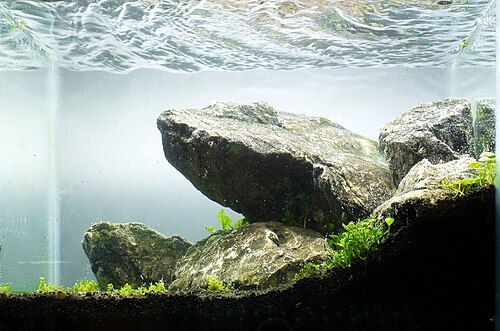
A standard 10-gallon tank is 20" × 10" × 12" — a 200-square-inch footprint, about 9 actual gallons of water once you account for substrate and decor. That footprint matters more than the volume. Long, slender fish need horizontal space to swim; territorial fish need horizontal space to maintain personal turf. A taller "column" tank with the same volume is much harder to stock well.
The old "one inch of fish per gallon" rule is wrong — it ignores body shape, waste output, and activity level. A more useful rule for a 10-gallon planted tank: either one centerpiece fish plus a small invertebrate cleanup crew, or a single school of 6–10 nano fish under 1.5 inches, or two small shoals of 6 tiny fish under 1 inch in a heavily planted setup. These are upper limits, not targets.
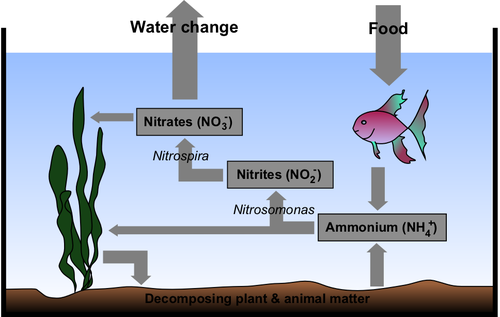
A planted tank is more forgiving than a bare one because plants consume nitrate, oxygenate water, and provide structural cover. Stocking guidance assumes plants. A bare 10-gallon should hold noticeably less.
Recommended gear for this article
All affiliate links · we earn a small commission at no cost to you


The five best choices
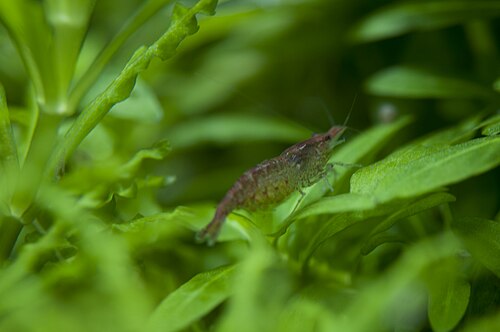
1. A single male betta + Neocaridina shrimp colony. This is the most popular 10-gallon setup for good reason. A betta in a planted 10-gallon has room to explore, distinct individual personality, and looks genuinely spectacular. Cherry shrimp or other Neocaridina add visual interest at the substrate level and contribute almost no bioload. Some bettas hunt shrimp; many don't. Heavy planting and starting with a mature shrimp colony before introducing the betta improves your odds. Heater required — bettas want 78–80°F.

**2. A school of 8–10 chili rasboras (Boraras brigittae).** Chilis are the smallest commonly available aquarium fish — under three-quarters of an inch at full size. A tight school of ten in a heavily planted 10-gallon is mesmerizing. They're micro-predators, eating only the smallest foods (crushed flake, micro pellets, baby brine shrimp), so they coexist peacefully with adult shrimp and even shrimplets. Soft, slightly acidic water (pH 6.0–7.0) brings out their best color. Avoid mixing with bettas — chilis are food-sized to a betta.
3. Ember tetras + pygmy corydoras. This is the classic two-species nano community. Ten ember tetras (Hyphessobrycon amandae) at less than an inch each fill the upper two-thirds of the tank with active schooling and warm orange color. Five pygmy corydoras (Corydoras pygmaeus) handle the bottom and rarely venture upward. Both prefer 75–76°F and slightly acidic water; the parameter overlap is wide and easy to maintain. This combination is one of the few where a 10-gallon actually feels "complete" — multiple swimming zones, multiple behaviors, real ecological structure.
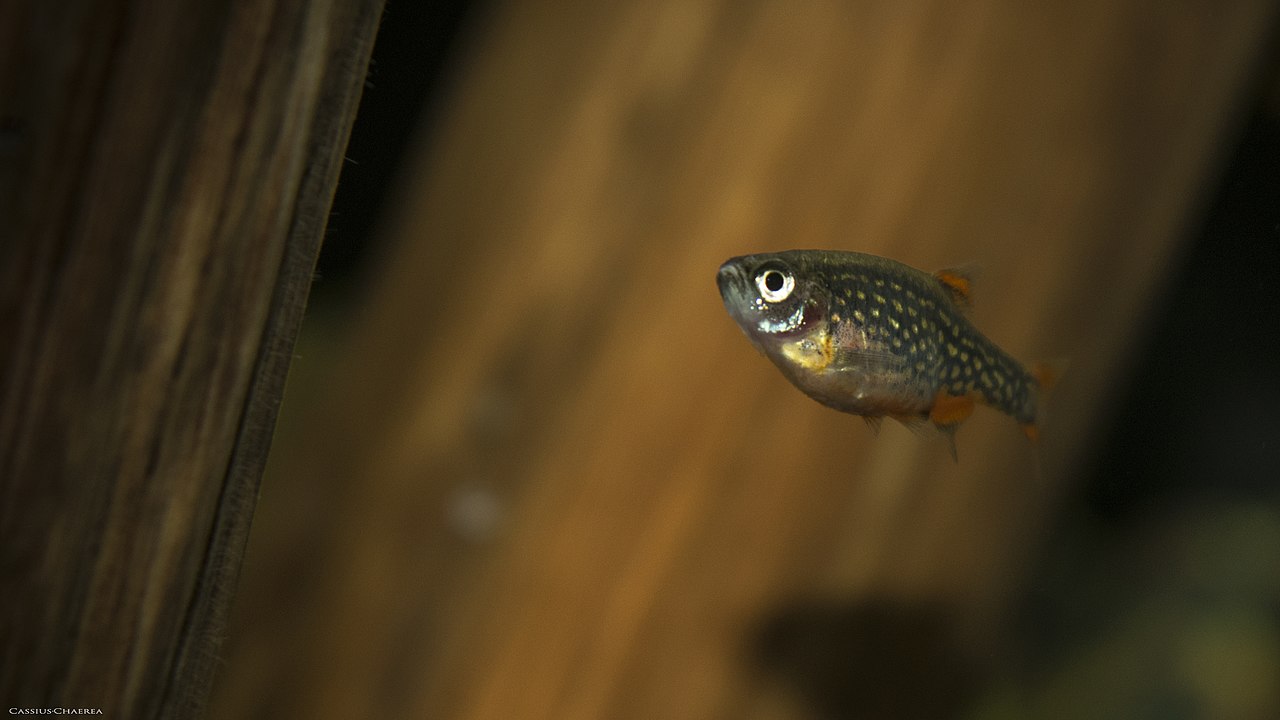
4. Celestial pearl danios. Also called galaxy rasboras (Danio margaritatus), these are visually one of the most striking nano fish in the hobby — dark base color with metallic pearl spots and bright orange-red fins. They're slightly skittish and need dense planting to feel secure enough to display. Keep in groups of 6–10. They prefer cooler water than most tropical nanos (72–78°F is fine; many keepers run them unheated in temperate rooms).
5. Sparkling gouramis. Trichopsis pumila tops out around 1.5 inches and is one of the very few labyrinth fish actually suited to a 10-gallon. Unlike bettas and dwarf gouramis, sparkling gouramis can be kept in pairs or small groups without serious aggression. They have a distinct personality — slow, deliberate, with audible "clicking" vocalizations during display — that makes them feel like centerpiece fish despite their small size.
Honorable mentions
Endler's livebearers. Smaller than guppies, more peaceful, and the males display saturated colors that rival the priciest tetras. Keep males-only in a 10-gallon (a mixed group will produce fry faster than the tank can support, and the resulting hybrids if any guppy genetics sneak in are a mess). Group of 5–6 males works well.
White cloud mountain minnows. A cool-water species (no heater required in most rooms; ideal range 64–72°F) that's been kept in the hobby for nearly a century. Active, hardy, peaceful, and suitable for unheated tanks where most tropicals would slowly fail. Keep in groups of 6+.
Honey gouramis. Trichogaster chuna is the better choice when people reach for dwarf gouramis. About 2 inches at full size, peaceful, and noticeably hardier than dwarfs (which have well-documented disease problems from poor breeding stock). One male or a male/female pair in a planted 10-gallon works.
What people put in 10-gallons that shouldn't go in 10-gallons
This section will be unpopular. The species below are routinely sold for 10-gallon tanks; they shouldn't be.
Neon tetras. Active, fast-moving schoolers that need horizontal swimming space. They survive in a 10-gallon and look acceptable, but they don't behave like neons in a 20-gallon long. The internet generally agrees on this; pet stores generally don't.
Dwarf gouramis. Aside from the disease issue mentioned above, Trichogaster lalius is genuinely too active and territorial for a 10-gallon. They want at least 15 gallons. Pet stores label them "for 10-gallon community" because they survive there.
Goldfish. Nothing about a goldfish is appropriate for a 10-gallon — not the bioload, not the adult size (8+ inches for fancy varieties, much more for commons and comets), not the temperature requirements. The "started in a 10-gallon as fry, will move them later" plan reliably ends with stunted, sick, or dead fish because the move never happens in time.
Angelfish. Adult body height alone disqualifies them — a healthy angel is 6+ inches tall. They need 30 gallons minimum, often more.
Guppies (mixed sex). Reproduction outpaces a 10-gallon's capacity within months. Males-only or a single trio with regular fry rehoming is workable; "got a couple guppies, see what happens" leads to crashes.
Common plecos. A common pleco grows to 18 inches. Bristlenose plecos are sometimes recommended as smaller alternatives, but at 5–6 inches they're still more bioload than a 10-gallon should carry. Otocinclus catfish are a better algae crew at this scale.
Filtration, heat, and substrate for a stocked nano
A 10-gallon planted tank does best with:
A sponge filter or low-output hang-on-back filter with a pre-filter sponge over the intake. Strong currents stress most nano species and shred long-finned bettas. Sponge filters are gentlest, simplest, and shrimplet-safe.

An adjustable 50W heater for any tropical species. White cloud mountain minnows and CPDs in cooler rooms are the only common exceptions where you can skip it.
A dark substrate if color expression matters to you. Most nano fish — embers, chilis, CPDs, bettas — show dramatically richer color over dark substrate than over light gravel. The science on this is solid: substrate color and texture affect behavior and coloration in Neocaridina davidi, with dark substrate preference and pigmentation suppression on light substrate, and the same response is well-documented in many fish species.
Plants from day one. Easy starters: Java fern (tied to wood, never buried), Anubias (same), Cryptocoryne wendtii (root feeder, plant in substrate), Java moss (anywhere), Vallisneria (background). All of these tolerate low light, so an inexpensive light fixture is fine. Floating plants — frogbit, water lettuce, red root floaters — provide cover that surface-dwelling species especially appreciate.
Five complete stocking plans

If you want a recipe rather than a menu, here are five that actually work:
| Setup | Species | Notes |
|---|---|---|
| Betta-shrimp | 1 male betta + 10–15 cherry shrimp | Heavy planting; mature shrimp colony first |
| Chili-rasbora-only | 10 chili rasboras | Single-species school; richest color in soft acidic water |
| Embers + pygmies | 10 ember tetras + 5 pygmy corydoras | The classic two-tier community |
| Endler males | 6 male Endler's livebearers | No reproduction; saturated color; hardy |
| Sparkling gourami pair | 2 sparkling gouramis + 8 chili rasboras | Quiet, distinctive, appropriate for low-flow tanks |
Pick one. Don't try to combine. The most common 10-gallon mistake by far is starting with one of these plans and then adding "just one more" species until the tank tips over.
Recommended gear for any of these setups
| Product | Why it's here |
|---|---|
| Adjustable 50W aquarium heater | Stable temp; tropical species require it |
| Sponge filter + air pump | Gentlest filtration; safe for shrimp and long-finned bettas |
| API Freshwater Master Test Kit | Liquid kit for ammonia, nitrite, nitrate, pH — strips are unreliable |
| Dark sand substrate | Brings out fish color; safe for cory whiskers (gravel can erode them) |
| Java fern + Anubias starter | Beginner-proof plants that anchor a planted nano |
Some links in this article are affiliate links — if you buy through them we earn a small commission at no extra cost to you. We only recommend gear we've personally used.